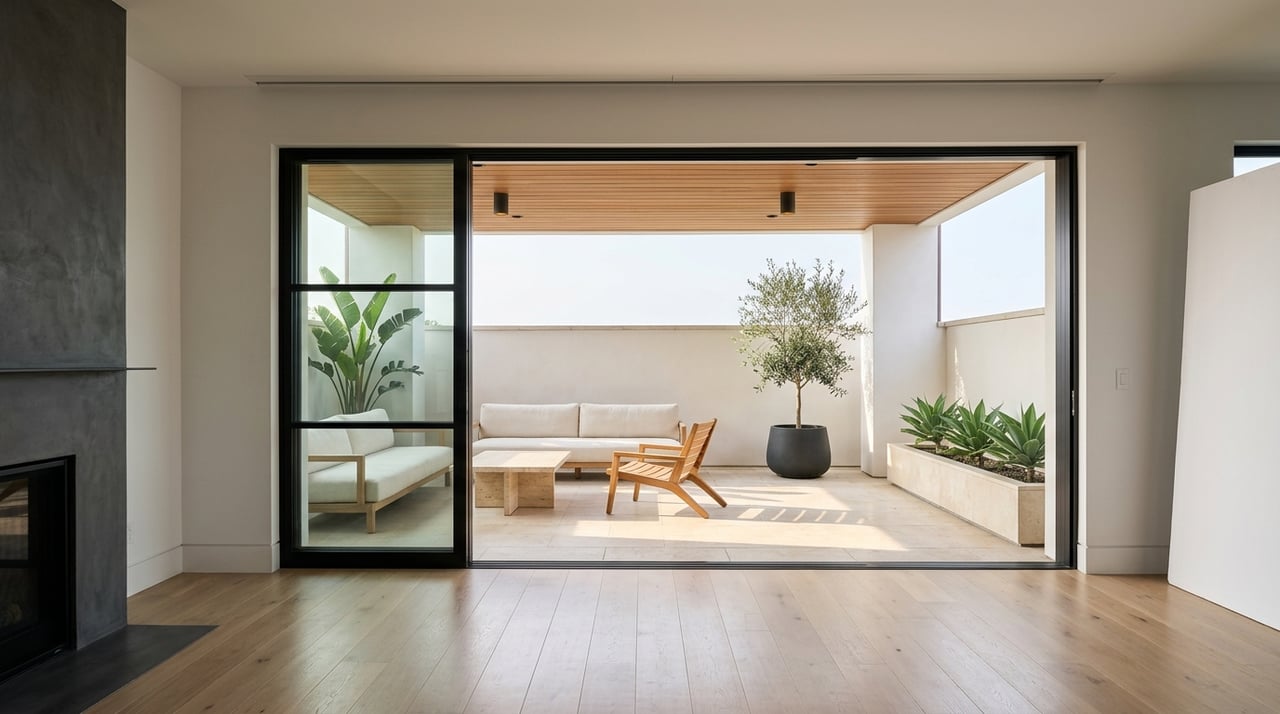
Selling a luxury home in La Jolla takes more than putting a sign in the yard and waiting for the right buyer to appear. Even in a premium coastal market, buyers notice condition, presentation, and pricing right away. If you want to protect your home’s value and make a strong first impression, the right prep work can make a real difference. Let’s dive in.
Why preparation matters in La Jolla
La Jolla remains one of San Diego’s most valuable markets, but it is not a place where every home sells instantly no matter how it shows. March 2026 data from Realtor.com reported a median listing price of $2,797,000, a 99% sale-to-list ratio, and 46 days on market. Redfin reported a median sale price of $2.4065 million, about 44 to 45 days on market, and average sales around 2% below list.
Those numbers point to a market where strong demand still exists, but buyers are making comparisons and negotiating carefully. In other words, polished homes still have an edge. If your home looks turnkey, well-maintained, and thoughtfully presented, you give buyers fewer reasons to hesitate.
La Jolla is a micro-market story
One of the biggest mistakes sellers make is treating all of La Jolla the same. It is not. Realtor.com’s neighborhood breakdown shows a wide pricing spread, from about $2.447 million in La Jolla Shores to $3.65 million in Beach Barber and $8.77 million in Muirlands.
That matters because the right prep strategy depends on your home’s price band, location, and likely buyer pool. A view estate in Muirlands may need a very different presentation plan than a coastal home in La Jolla Shores. Before making updates, you want a strategy that fits your specific micro-market, not just the broader La Jolla label.
Start with what luxury buyers notice most
Luxury buyers in San Diego tend to reward homes that feel current, functional, and easy to enjoy from day one. Redfin’s luxury survey found strong demand for double vanities, kitchen islands, quartz or granite counters, walk-in pantries, high-end appliances, open-concept layouts, landscaping, and indoor/outdoor living.
The same survey also showed the biggest buyer turnoffs. An outdated kitchen ranked first at 54%, followed by lack of curb appeal at 48%, outdated bathrooms at 44%, and popcorn ceilings at 40%. If you are deciding where to spend time and money, those signals are a smart place to start.
Focus on visible improvements first
In luxury marketing, visible improvements usually matter more than hidden ones. Redfin’s San Diego trend data showed strong buyer response to features like crown molding, range ovens, large backyards, energy efficiency, covered decks, center islands, and even furnished homes. These are the kinds of details buyers notice immediately in photos and during showings.
That does not mean every home needs a major remodel. It means your prep budget should go toward changes that make the home feel cohesive, elevated, and move-in ready. In many cases, a clean visual upgrade will do more for your sale than expensive work buyers cannot easily see.
What to fix before listing
If you want a practical order of operations, start with the areas most likely to shape buyer opinion.
Refresh the kitchen and primary bath
If your kitchen or primary bath feels clearly dated, buyers may treat that as a future project and adjust their offer accordingly. In the luxury segment, buyers often expect these spaces to feel current, clean, and well finished. Even modest updates like hardware, lighting, paint, countertops, or fixture changes can help if a full remodel is not the right move.
Improve curb appeal
Your exterior sets the tone before a buyer even walks inside. Landscaping is a priority for many luxury buyers, and lack of curb appeal is one of the most common negatives in the survey data. Fresh planting, trimmed hedges, cleaned hardscape, and a more welcoming entry can elevate the entire showing experience.
Update paint, lighting, and finishes
Simple cosmetic work often carries more value than sellers expect. Neutral paint, updated light fixtures, clean flooring, and consistent hardware help a home photograph better and feel more current in person. These changes also help reduce visual distractions so buyers focus on the home itself.
Treat outdoor space like living space
In La Jolla, outdoor areas are part of the lifestyle buyers are shopping for. Redfin’s survey highlighted indoor/outdoor living as a central luxury expectation in San Diego. Patios, decks, seating areas, and landscaped yards should feel intentional and usable, not like leftover space.
Declutter and simplify the experience
Luxury buyers want to imagine the home as theirs, not feel like they are walking through someone else’s life. That is why decluttering matters so much. Clearing personal items, reducing bulky furniture, and simplifying each room can make the home feel larger, calmer, and more refined.
Consumer staging guidance also supports a few practical steps that consistently help. Neutral paint, fresh towels and bedding, a manicured entry, and closets that are only about half full all support a cleaner, more move-in-ready impression. In a luxury setting, those details can help the home feel finished instead of busy.
Stage the rooms that matter most
You do not always need to stage every room to make an impact. According to NAR’s 2025 staging profile, buyers’ agents said the most important staged spaces are the living room at 37%, the primary bedroom at 34%, and the kitchen at 23%.
That makes staging a strategic decision, not just a design exercise. If you are prioritizing budget, start with the rooms that shape emotion and first impressions. NAR also reported that 83% of buyers’ agents said staging makes it easier for buyers to visualize the property as a future home.
There can also be a financial upside. NAR found that 19% of sellers’ agents saw a 1% to 5% increase in offered dollar value from staging, while 10% reported a 6% to 10% increase. Another 30% reported slightly less time on market.
Invest in photography and video before launch
Your first showing usually happens online. In the luxury market, that first digital impression can determine whether a buyer schedules a private tour or scrolls past. NAR’s staging profile found that buyers’ agents ranked photos as the most important listing asset at 73%, followed by physical staging at 57%, video at 48%, and virtual tours at 43%.
That makes professional media a core part of your launch, not an optional add-on. Strong still photography, video, and a polished first week on market can create better momentum than a soft rollout with average visuals. In a place like La Jolla, where buyers are comparing exceptional properties, presentation quality matters.
Use virtual staging carefully
Virtual staging can be helpful, but it needs to be handled honestly. NAR advises that photo enhancements that materially alter the property should be disclosed. In a luxury listing, accuracy matters because buyers expect the home they tour to match the one they saw online.
The goal is to help buyers understand a space, not mislead them. If virtual staging is part of the plan, it should support the real home rather than create a false version of it.
Get ahead of disclosures and property facts
Preparation is not only about cosmetics. It is also about reducing surprises once buyers begin asking questions. In California, the Real Estate Transfer Disclosure Statement describes the property’s condition and must be delivered before transfer of title.
California also requires a Natural Hazard Disclosure when a property is located in certain mapped hazard areas, including flood, fire, and seismic zones. For a La Jolla seller, the practical takeaway is simple: gather records, confirm known property facts, and identify issues early. That gives you more confidence when your home goes live and can reduce last-minute negotiation friction.
Check permits before exterior work
This step is especially important in coastal La Jolla. The City of San Diego notes that projects within the Coastal Overlay Zone may require a Coastal Development Permit before a construction permit is issued. Environmentally sensitive lands can also trigger additional review.
If you are thinking about exterior updates before listing, such as decks, hardscape, retaining walls, doors, or windows, it is wise to check local requirements first. You do not want to spend money on a pre-sale improvement only to create a permit issue that slows the sale.
Think strategy, not just upgrades
Preparing your La Jolla home for the luxury market is really about removing friction and highlighting value. Buyers are looking for homes that feel well cared for, visually polished, and aligned with the lifestyle they want. The best prep plans usually combine smart cosmetic updates, selective staging, strong media, and clean documentation.
That is also where local strategy matters. In a market with different price bands, property types, and buyer expectations, the right plan is rarely one-size-fits-all. A thoughtful listing approach can help you protect your asking price, reduce avoidable objections, and launch with more confidence.
If you are considering selling in La Jolla, working with an agent who understands coastal luxury positioning, presentation, and local market nuance can make the entire process feel more clear and more controlled. To talk through the right prep strategy for your home, connect with Stu Harvey.
FAQs
What should I fix first before selling a luxury home in La Jolla?
- Start with the kitchen, primary bath, curb appeal, and any obvious condition issues that will stand out in photos or inspections.
Do I need to stage every room in my La Jolla home before listing?
- No. The highest-value staging targets are usually the living room, primary bedroom, and kitchen.
Are professional photos and video worth it for a La Jolla luxury listing?
- Yes. Buyers’ agents ranked photos as the most important listing asset, with video and virtual tours also rated highly.
Can I make exterior updates to my La Jolla home without permits?
- Not always. In some coastal areas, projects in the Coastal Overlay Zone may require a Coastal Development Permit before construction permits are issued.
Should I fully remodel my La Jolla home before selling?
- Usually not unless the kitchen or bath is clearly outdated and likely to become a major buyer objection. Focused cosmetic updates are often more defensible.
How much does professional home staging usually cost?
- NAR reported a median spend of $1,500 for a professional staging service and $500 when an agent personally staged the home.
