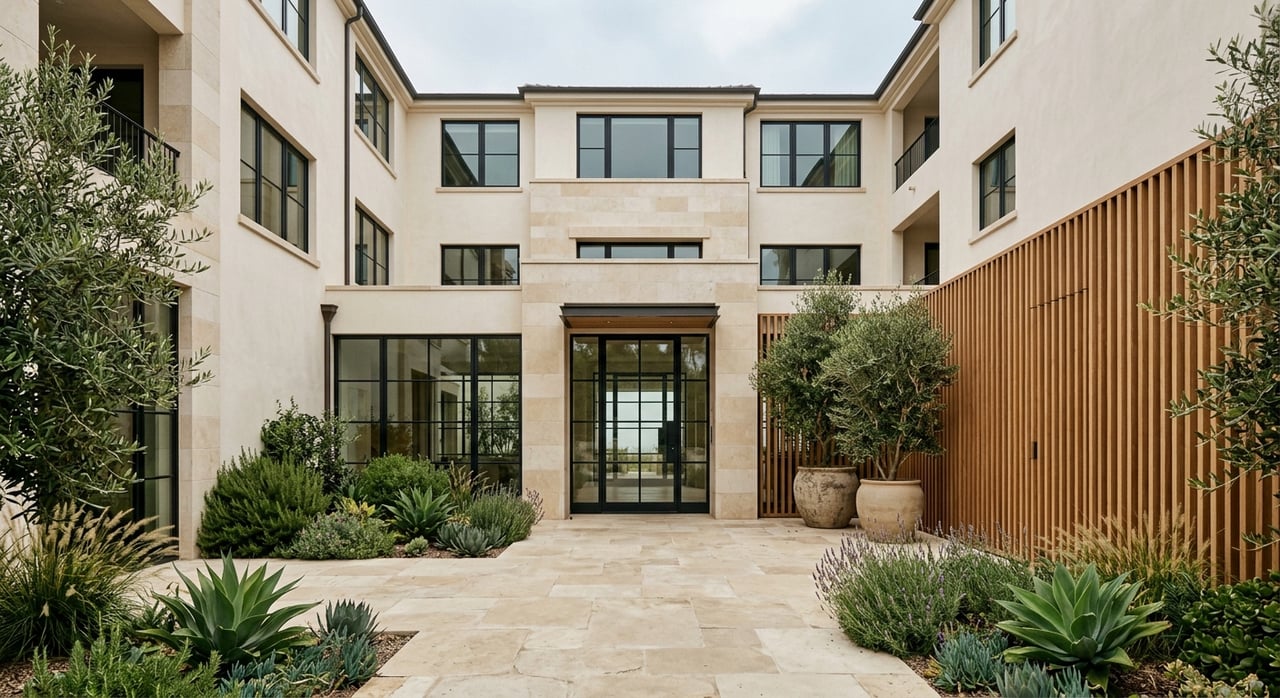
If you are thinking about buying a second home in Coronado, the biggest question is not just whether you can buy there. It is whether the way Coronado works fits the way you actually want to live. For some buyers, it is one of the most compelling second-home markets in coastal San Diego. For others, its rules, seasonality, and ownership styles may point you in a different direction. This guide will help you weigh the lifestyle, property options, and practical realities so you can decide with clarity. Let’s dive in.
Why Coronado stands out
Coronado is a compact coastal city set between San Diego Bay and the Pacific, with about 23,000 residents and roughly two million annual visitors. It also has a full-service city structure with its own police, fire, marine safety, parks, bike and walking paths, and community facilities. For a second-home buyer, that matters because it supports a lifestyle that is active, polished, and usable throughout the year.
This is not the kind of beach market that works best if your main goal is aggressive vacation-rental income. Coronado makes more sense if you want a property you will personally enjoy on a regular basis. If your vision is a true lifestyle home with strong day-to-day usability, Coronado deserves a serious look.
Access shapes the experience
One of Coronado’s biggest strengths is how easy it is to reach. The city connects to the mainland by the San Diego-Coronado Bridge and the Silver Strand, and it also subsidizes a commuter ferry between Coronado Ferry Landing and Broadway Pier. That kind of access can make a major difference when you want a second home that feels convenient rather than complicated.
Once you are there, the lifestyle is built around movement and recreation. The city highlights public parks, a community center, a public library, a boat launch, dedicated bike and walking paths, and a public golf course. If your ideal second home includes beach mornings, bike rides, and easy outdoor routines, Coronado checks many of those boxes.
Seasonality matters in Coronado
Coronado Beach is a wide sandy stretch about 1.75 miles long, with year-round lifeguards at Central Beach and additional seasonal towers in summer on Public Beach and Glorietta Bay. That supports year-round use, but it also tells you something important about the ownership experience. Coronado stays active, and peak beach season brings more activity, more visitors, and a more public coastal environment.
That is a plus for buyers who want energy and easy beach access. It may be less appealing if you are looking for a quiet, highly private resort-style setting. In Coronado, beach living usually means being part of an active public shoreline, not stepping away from it.
What kind of second-home owner are you?
Before you look at square footage or finishes, it helps to decide how you want to use the property. Coronado has several distinct ownership styles, and each one creates a different second-home experience.
A smart starting point is to ask yourself:
- How often will you use the home each year?
- Do you want a lock-and-leave setup?
- How much exterior maintenance do you want to avoid?
- Do parking and guest access need to be easy?
- Do you want walkability, beach access, or marina-style waterfront living?
- Are you open to a home that may involve design review or historic-preservation considerations?
In Coronado, those answers often matter more than square footage alone.
The Village offers walkability
If you want a more connected, easy-to-use second home, the Village area often draws the most attention. City planning materials note that the Orange Avenue Corridor is intended to preserve Coronado’s village character, and that this area primarily includes for-sale condominiums and rental properties in multi-family configurations, with some detached single-family homes also present.
In practical terms, this is the part of Coronado that most closely aligns with a walkable, condensed lifestyle. A condo or townhome-style property here may work well if you want lower day-to-day upkeep and easy access to shops, services, and local activity. For many second-home buyers, that creates a very convenient home base.
Beachfront living is more public
Beachfront and beach-adjacent ownership in Coronado offers a very different experience. Because the beach is public, heavily used, and regulated, direct shoreline access comes with visitor traffic, seasonal activity, and beach rules. South Beach, for example, is specifically listed with seasonal lifeguards and no public restrooms, while other beach areas have different amenity and use patterns.
That does not make beachfront ownership less appealing. It simply means you should understand what you are buying into. In Coronado, a beach-facing property is usually about living alongside a well-loved public beach environment rather than having an isolated coastal retreat.
The Cays feel more enclave-like
If your priority is planned waterfront living, the Coronado Cays is the market segment to study closely. The city describes it as a planned residential community on the Silver Strand, surrounded by bay and state beach, with a mix of multi-family, townhouse, and detached single-family construction allowed under its specific plan.
Another important detail is that the area is largely built out, with little capacity for additional residential development. For second-home buyers, that finite supply can shape both the feel of the community and the inventory available. The area also includes recreation-oriented features such as Coronado Cays Park, with an off-leash dog run and pickleball courts, which reinforces its lifestyle appeal.
Detached homes offer more privacy
Outside the Village and the Cays, Coronado also includes very-low-density residential areas that typically correspond to detached single-family neighborhoods. If you want more privacy, more outdoor space, and a more traditional house format, these areas may be the strongest fit.
This option can work well for buyers who plan longer stays or want a second home that feels closer to a primary residence in layout and function. The tradeoff is that the ownership experience may be less walkable or lower-maintenance than a Village condo, depending on the property.
Lock-and-leave works, with limits
Coronado can be a strong lock-and-leave market, but it is important to understand its rental rules. The city states that short-term vacation rentals are prohibited in residential zones and that rentals must be at least 26 consecutive days to comply with the municipal code.
That single rule changes the investment story for many buyers. If you were hoping to offset ownership with frequent nightly or weekend rentals, Coronado is likely not the right match. If you want a second home centered on personal use, with more limited rental flexibility, the market makes much more sense.
Local rules are part of the equation
Coronado’s city services can be reassuring for owners who are not in residence full time. The city operates its own police, fire, and marine safety protection, which adds to the sense of structure and support many second-home buyers want.
Parking is another detail worth reviewing early in your search. The city notes that some areas require residential parking decals, residents can obtain visitor placards, and oversized-vehicle permits are handled through the Police Department. These details may seem small at first, but they can have a real impact on how easy the home is to use when you host family or guests.
Older homes may need extra review
If you are drawn to older homes or planning a remodel, do your homework before you fall in love with the vision. Coronado has a Historic Preservation Element and Ordinance, and the city’s design-review materials explain that certain projects can be subject to local planning review.
For some buyers, that is simply part of owning in a character-rich coastal market. Still, it can affect renovation timing, scope, and expectations. If your second-home plan depends on quick cosmetic upgrades, this is an area to evaluate early.
Coronado is a luxury market
Coronado sits firmly in the luxury segment, and market snapshots support that from several angles. Recent data cited in the research report show a median sale price around $3.0 million, an average home value around $2.56 million, and a median listing price around $3.2 million, depending on the source and methodology.
The exact figure matters less than the broader conclusion. Coronado is expensive, selective, and highly dependent on property type and location. Buyers tend to benefit most when they enter the market with a clear plan instead of a broad idea that they will “figure it out” once they start touring.
How to decide if Coronado fits
Coronado may be the right second-home market for you if you want a refined coastal lifestyle, strong recreational access, and a home you expect to use often. It also fits buyers who value clear neighborhood distinctions, a full-service city environment, and ownership options that range from walkable condos to waterfront homes and detached residences.
It may be less ideal if your top priority is short-term rental income, a low-regulation beach setting, or a highly private shoreline experience removed from public activity. In that case, your best move is to be honest about your goals before you buy.
A practical way to start
The best first step is to narrow your search by ownership style, not just budget. Start by identifying whether you want a Village condo or townhome, a beach-facing property, a Coronado Cays residence, or a detached home in a lower-density area.
From there, compare each option through the lens of actual second-home use. Think about maintenance, guest access, parking, exposure to seasonal activity, and whether renovation plans could trigger additional review. That approach usually leads to a smarter decision than starting with finishes alone.
If you want a second home in Coronado that feels intentional from day one, working with someone who understands the micro-differences between each area can make the search much more efficient. When you are ready for a polished, strategy-led conversation about Coronado and other coastal San Diego options, connect with Stu Harvey.
FAQs
Is Coronado a good place to buy a second home?
- Coronado can be a strong second-home market if you want a lifestyle-driven coastal property you will use regularly, especially one centered on beach access, recreation, and convenient access to San Diego.
Are short-term rentals allowed in Coronado second homes?
- In residential zones, short-term vacation rentals are prohibited, and rentals must be at least 26 consecutive days under the city’s municipal code.
What part of Coronado is best for a lock-and-leave second home?
- Many buyers start with the Village because it is closely tied to walkability and includes many condominium and multi-family ownership options that can suit a lower-maintenance lifestyle.
What makes the Coronado Cays different from the Village?
- The Coronado Cays is a planned waterfront community on the Silver Strand with a more finite supply of residential inventory, while the Village is more closely associated with walkability, shops, and a condensed in-town ownership experience.
Are beachfront homes in Coronado private?
- Beachfront homes offer direct coastal access, but they are part of a public beach environment with visitor traffic, seasonal activity, and city beach rules.
Should you check renovation rules before buying in Coronado?
- Yes. Older homes and remodel projects may be subject to historic-preservation or local design-review processes, so it is wise to review those considerations before making assumptions about updates.
